
What Are the Signs That My Pool Pump Needs Professional Repair?

If your pool pump is making unusual noises, leaking water, losing suction, frequently shutting off, or failing to circulate water properly, it likely needs professional repair. Ignoring these warning signs can lead to more expensive damage, poor water quality, and a shortened lifespan for your pool equipment. Addressing problems early helps protect your investment and keeps your pool safe and enjoyable.

Your pool pump is the heart of your swimming pool’s circulation system. At Good Neighbor Pool Care, we’ve helped homeowners diagnose and repair pool equipment before minor issues become costly replacements. Whether it’s routine maintenance, equipment inspections, or complex repairs, our experienced technicians understand how important reliable circulation is to maintaining crystal-clear water and protecting every component of your pool system. Our goal is to provide honest recommendations, quality workmanship, and dependable service that keeps your pool operating efficiently throughout the swimming season.
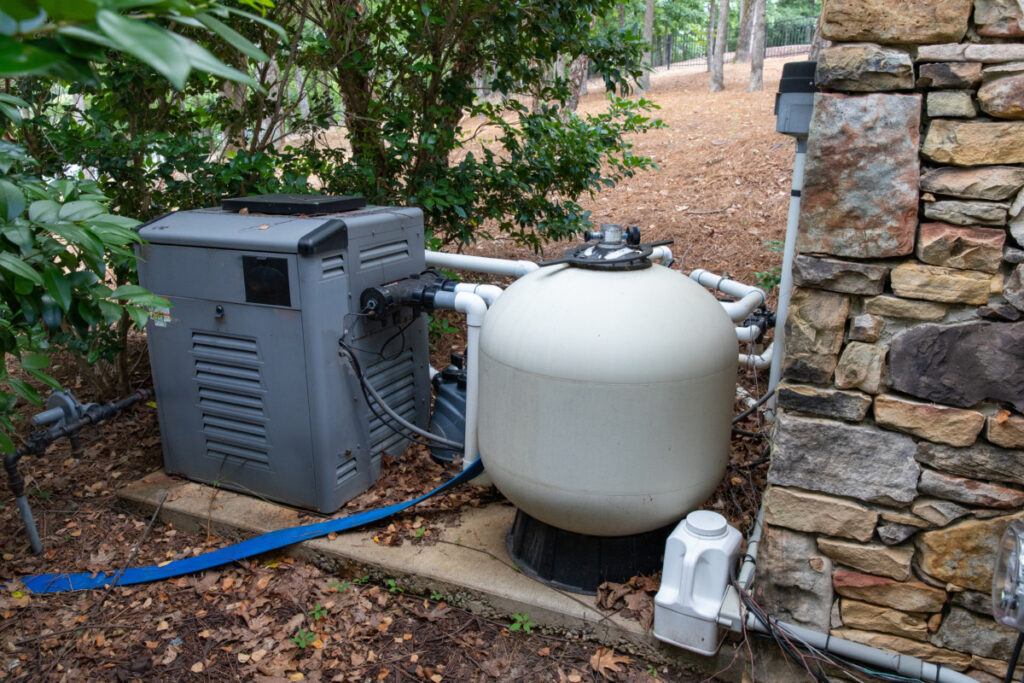
What Are the Signs That My Pool Pump Needs Professional Repair?

If your pool pump is making unusual noises, leaking water, losing suction, frequently shutting off, or failing to circulate water properly, it likely needs professional repair. Ignoring these warning signs can lead to more expensive damage, poor water quality, and a shortened lifespan for your pool equipment. Addressing problems early helps protect your investment and keeps your pool safe and enjoyable.

Your pool pump is the heart of your swimming pool's circulation system. At Good Neighbor Pool Care, we've helped homeowners diagnose and repair pool equipment before minor issues become costly replacements. Whether it's routine maintenance, equipment inspections, or complex repairs, our experienced technicians understand how important reliable circulation is to maintaining crystal-clear water and protecting every component of your pool system. Our goal is to provide honest recommendations, quality workmanship, and dependable service that keeps your pool operating efficiently throughout the swimming season.

Pool Pump Problems Every Homeowner Should Watch For

Many pool pump problems start with small warning signs that are easy to overlook. Catching these issues early can prevent expensive repairs and extend the life of your equipment.

According to the U.S. Department of Energy, keeping pool equipment operating efficiently can reduce energy consumption and improve overall system performance. Regular inspections and timely repairs are among the best ways to avoid premature equipment failure.

1. Is Your Pool Pump Making Loud or Unusual Noises?

A properly functioning pool pump should produce a steady, consistent sound.

If you hear any of the following, it's time for a professional inspection:

Grinding
Screeching
Rattling
High-pitched whining
Metal-on-metal sounds

These noises often indicate worn bearings, motor problems, or debris inside the pump housing. Continuing to operate the pump can cause additional internal damage.

2. Why Is My Pool Pump Losing Suction?

A pool pump that loses suction cannot circulate water effectively.

Common causes include:

Air leaks in the plumbing
Clogged skimmer baskets
Dirty pump baskets
Blocked impellers
Low water levels

Poor suction means your filtration system cannot properly remove dirt, algae, and debris, which can quickly lead to cloudy or unhealthy pool water.

3. Water Is Leaking Around the Pump

Water leaking from the pump should never be ignored.

Leaks commonly result from:

Worn shaft seals
Cracked pump housing
Loose plumbing fittings
Damaged O-rings

Even a small leak can allow air into the system, reduce efficiency, and eventually damage the motor if left unrepaired.

4. Why Does My Pool Pump Keep Turning Off?

If your pump repeatedly shuts off or trips the breaker, an electrical or mechanical problem may be developing.

Possible causes include:

Overheating motor
Failing capacitor
Electrical wiring issues
Clogged ventilation
Internal motor failure

Because electrical components require specialized knowledge, professional diagnosis is the safest solution.

When Should You Repair Instead of Replace a Pool Pump?

Many homeowners assume a malfunctioning pump automatically needs replacement. In reality, many repairs are affordable if the problem is caught early.

Repairs often make sense when:

The motor is relatively new.
The pump housing is in good condition.
Bearings, seals, or capacitors are the primary issue.
The repair cost is significantly less than replacement.

A professional inspection can help determine the most cost-effective option based on the age and condition of your equipment.

5. Is Your Pool Water Staying Cloudy?

Cloudy water is not always caused by poor water chemistry.

If chemicals remain balanced but the water never clears, inadequate circulation may be the problem.

A failing pump may not be moving enough water through the filter to remove contaminants effectively. Reduced circulation also creates conditions where algae and bacteria can grow more easily.

6. Higher Energy Bills Without Explanation

A struggling pool pump often has to work harder to move water.

Warning signs include:

Longer run times
Reduced efficiency
Overheating
Increased electricity usage

According to ENERGY STAR, pool equipment that operates efficiently helps reduce overall energy consumption. If your utility bills suddenly increase without another obvious cause, your pool pump could be contributing.

7. The Pump Is More Than 8 to 12 Years Old

Most quality pool pumps last approximately 8 to 12 years with proper maintenance, although lifespan depends on usage, climate, and regular service.

An older pump experiencing multiple issues may cost more to repair than replace. A professional evaluation can help determine which option provides the best long-term value.

How Can You Prevent Pool Pump Repairs?

Routine maintenance is the best way to maximize the life of your pool pump.

Simple preventative steps include:

Empty skimmer and pump baskets regularly.
Keep proper water levels.
Clean or replace filters as recommended.
Watch for unusual noises.
Inspect for leaks around equipment.
Schedule professional equipment inspections.

Preventative maintenance helps identify worn parts before they fail and keeps your entire circulation system operating efficiently.

Frequently Asked Questions
How do I know if my pool pump motor is failing?

Common signs include loud grinding noises, overheating, difficulty starting, burning smells, or the pump repeatedly shutting off. A professional inspection can confirm whether the motor needs repair or replacement.

Can I still run my pool if the pump is making noise?

It's best not to. Continuing to operate a noisy pump can worsen internal damage and increase repair costs.

How much does pool pump repair usually cost?

Repair costs vary depending on the failed component. Replacing seals or capacitors is generally less expensive than replacing an entire motor or pump assembly. A professional inspection provides the most accurate estimate.

How often should my pool pump be inspected?

Having your equipment inspected at least once a year, along with regular pool maintenance, helps identify developing issues before they become major repairs.

Ready to Get Your Pool Pump Running Like New?

If you've noticed any of these warning signs, don't wait until your pool pump stops working completely. The experienced team at Good Neighbor Pool Care can diagnose the problem, recommend the right solution, and help keep your pool operating safely and efficiently all season long.

Contact Good Neighbor Pool Care today through our Contact Page to schedule your professional pool pump inspection or repair.

Pool Pump Problems Every Homeowner Should Watch For

Many pool pump problems start with small warning signs that are easy to overlook. Catching these issues early can prevent expensive repairs and extend the life of your equipment.

According to the U.S. Department of Energy, keeping pool equipment operating efficiently can reduce energy consumption and improve overall system performance. Regular inspections and timely repairs are among the best ways to avoid premature equipment failure.

1. Is Your Pool Pump Making Loud or Unusual Noises?

A properly functioning pool pump should produce a steady, consistent sound.

If you hear any of the following, it’s time for a professional inspection:

  • Grinding
  • Screeching
  • Rattling
  • High-pitched whining
  • Metal-on-metal sounds

These noises often indicate worn bearings, motor problems, or debris inside the pump housing. Continuing to operate the pump can cause additional internal damage.

2. Why Is My Pool Pump Losing Suction?

A pool pump that loses suction cannot circulate water effectively.

Common causes include:

  • Air leaks in the plumbing
  • Clogged skimmer baskets
  • Dirty pump baskets
  • Blocked impellers
  • Low water levels

Poor suction means your filtration system cannot properly remove dirt, algae, and debris, which can quickly lead to cloudy or unhealthy pool water.

3. Water Is Leaking Around the Pump

Water leaking from the pump should never be ignored.

Leaks commonly result from:

  • Worn shaft seals
  • Cracked pump housing
  • Loose plumbing fittings
  • Damaged O-rings

Even a small leak can allow air into the system, reduce efficiency, and eventually damage the motor if left unrepaired.

4. Why Does My Pool Pump Keep Turning Off?

If your pump repeatedly shuts off or trips the breaker, an electrical or mechanical problem may be developing.

Possible causes include:

  • Overheating motor
  • Failing capacitor
  • Electrical wiring issues
  • Clogged ventilation
  • Internal motor failure

Because electrical components require specialized knowledge, professional diagnosis is the safest solution.

When Should You Repair Instead of Replace a Pool Pump?

Many homeowners assume a malfunctioning pump automatically needs replacement. In reality, many repairs are affordable if the problem is caught early.

Repairs often make sense when:

  • The motor is relatively new.
  • The pump housing is in good condition.
  • Bearings, seals, or capacitors are the primary issue.
  • The repair cost is significantly less than replacement.

A professional inspection can help determine the most cost-effective option based on the age and condition of your equipment.

5. Is Your Pool Water Staying Cloudy?

Cloudy water is not always caused by poor water chemistry.

If chemicals remain balanced but the water never clears, inadequate circulation may be the problem.

A failing pump may not be moving enough water through the filter to remove contaminants effectively. Reduced circulation also creates conditions where algae and bacteria can grow more easily.

6. Higher Energy Bills Without Explanation

A struggling pool pump often has to work harder to move water.

Warning signs include:

  • Longer run times
  • Reduced efficiency
  • Overheating
  • Increased electricity usage

According to ENERGY STAR, pool equipment that operates efficiently helps reduce overall energy consumption. If your utility bills suddenly increase without another obvious cause, your pool pump could be contributing.

7. The Pump Is More Than 8 to 12 Years Old

Most quality pool pumps last approximately 8 to 12 years with proper maintenance, although lifespan depends on usage, climate, and regular service.

An older pump experiencing multiple issues may cost more to repair than replace. A professional evaluation can help determine which option provides the best long-term value.

How Can You Prevent Pool Pump Repairs?

Routine maintenance is the best way to maximize the life of your pool pump.

Simple preventative steps include:

  • Empty skimmer and pump baskets regularly.
  • Keep proper water levels.
  • Clean or replace filters as recommended.
  • Watch for unusual noises.
  • Inspect for leaks around equipment.
  • Schedule professional equipment inspections.

Preventative maintenance helps identify worn parts before they fail and keeps your entire circulation system operating efficiently.

Frequently Asked Questions

How do I know if my pool pump motor is failing?

Common signs include loud grinding noises, overheating, difficulty starting, burning smells, or the pump repeatedly shutting off. A professional inspection can confirm whether the motor needs repair or replacement.

Can I still run my pool if the pump is making noise?

It’s best not to. Continuing to operate a noisy pump can worsen internal damage and increase repair costs.

How much does pool pump repair usually cost?

Repair costs vary depending on the failed component. Replacing seals or capacitors is generally less expensive than replacing an entire motor or pump assembly. A professional inspection provides the most accurate estimate.

How often should my pool pump be inspected?

Having your equipment inspected at least once a year, along with regular pool maintenance, helps identify developing issues before they become major repairs.

Ready to Get Your Pool Pump Running Like New?

If you’ve noticed any of these warning signs, don’t wait until your pool pump stops working completely. The experienced team at Good Neighbor Pool Care can diagnose the problem, recommend the right solution, and help keep your pool operating safely and efficiently all season long.

Contact Good Neighbor Pool Care today to schedule your professional pool pump inspection or repair.

Similar Posts