
Why Is My Pool Water Green? Common Causes and Solutions for Texas Pool Owners
Green pool water in Texas is most commonly caused by algae growth after chlorine levels drop too low. While algae is what turns the water green, the real causes are often environmental conditions or equipment issues that allow algae to thrive. Texas heat, intense sunlight, heavy rain, poor water circulation, and improper water chemistry can all reduce chlorine’s effectiveness, causing algae to spread quickly.
At Good Neighbor Pool Care, we’ve helped countless North Texas homeowners restore green pools and keep them sparkling year-round. Our region’s triple-digit summer temperatures, sudden thunderstorms, and high pollen counts create unique challenges for pool owners. Through professional pool maintenance, water testing, and equipment inspections, we help prevent algae before it becomes an expensive problem.
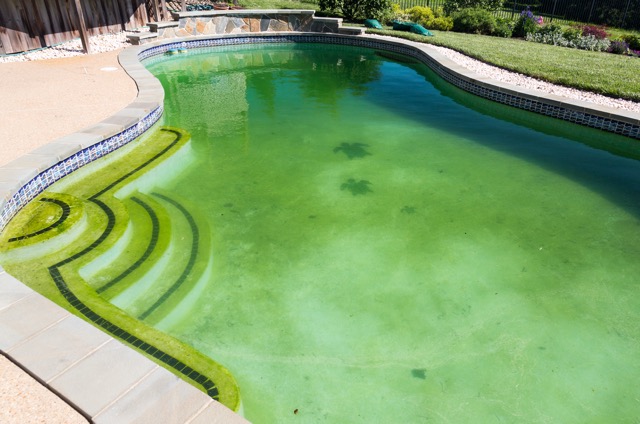
Why Does Pool Water Turn Green?
Although algae causes the green color, algae is usually a symptom—not the root problem.
According to the Centers for Disease Control and Prevention (CDC), maintaining proper chlorine levels and a pH between 7.0 and 7.8 is one of the best ways to prevent algae growth and keep pool water properly sanitized.
Several factors can allow algae to take over, including:
- Low chlorine levels
- Texas heat and intense UV exposure
- Heavy rain and storms
- Poor pool circulation
- Improper pH balance
- Organic debris such as leaves and pollen
Understanding what caused your pool to turn green is the first step toward restoring clear, healthy water.
Is Low Chlorine the Most Common Cause of Green Pool Water?
Yes. Low chlorine is the leading cause of green pool water.
Chlorine destroys algae spores before they can multiply. When sanitizer levels drop below the recommended range, algae can begin growing rapidly—especially during a North Texas summer.
Several factors can quickly reduce chlorine levels, including:
- Intense Texas sunshine that burns off chlorine
- Heavy swimmer use
- Rainstorms that dilute sanitizer
- Leaves, pollen, and organic debris
- Improper chemical balancing
- High water temperatures
Even if your pool looked crystal clear yesterday, chlorine can become depleted surprisingly fast during periods of extreme heat.
Why Does Texas Weather Make Pools Turn Green Faster?
Texas weather creates nearly perfect conditions for algae growth.
When water temperatures climb into the upper 80s and 90s, algae reproduce much faster. At the same time, strong UV rays break down chlorine throughout the day, making it harder to maintain proper sanitizer levels.
Other Texas-specific challenges include:
- Triple-digit summer temperatures
- High UV exposure
- Heavy evaporation
- Sudden thunderstorms
- Windblown pollen and debris
Recent periods of prolonged heat can dramatically increase chlorine demand, meaning pools require more frequent testing and chemical adjustments than cooler climates.
Can Heavy Rain Turn My Pool Green?
Absolutely.
While a single rain shower usually isn’t enough to create algae, repeated storms can quickly throw your water chemistry out of balance.
Heavy rain can:
- Dilute chlorine
- Lower pH
- Wash dirt and debris into the pool
- Introduce fertilizers and organic contaminants from surrounding landscaping
After significant rainfall, it’s important to test your pool water and rebalance the chemicals before algae has an opportunity to grow.
Does Poor Pool Circulation Cause Green Water?
Yes.
Even if your chemical levels appear close to normal, poor circulation can create “dead spots” where sanitizer isn’t reaching the water effectively.
Common circulation problems include:
- Dirty or clogged filters
- Full skimmer baskets
- Clogged pump baskets
- Broken pool timers
- Closed or improperly aimed return jets
- Worn or failing pool pumps
Without adequate circulation, algae can begin growing in corners, steps, and other low-flow areas before spreading throughout the pool.
If circulation problems are contributing to your green pool, they should be corrected along with the water chemistry to prevent algae from returning.
Could My Pool’s pH Be the Problem?
Yes.
Many homeowners focus only on chlorine, but pH plays a major role in how well chlorine works.
The CDC recommends maintaining pool water between a pH of 7.0 and 7.8 because chlorine is most effective within that range.
When pH rises too high:
- Chlorine becomes less effective
- Sanitizer is wasted
- Algae can begin growing even when chlorine is present
Routine water testing helps ensure your sanitizer is doing its job.
How Can You Prevent Green Pool Water?
Preventing algae is much easier—and less expensive—than treating it.
A consistent maintenance routine should include:
- Testing water two to three times each week during summer
- Keeping chlorine and pH properly balanced
- Running the pump long enough each day for complete circulation
- Brushing pool walls, steps, and corners regularly
- Emptying skimmer and pump baskets
- Cleaning or backwashing the filter as needed
- Scheduling routine professional pool service
Regular maintenance helps catch small issues before they become costly algae treatments.
Will Shocking My Pool Fix Green Water?
Sometimes—but not always.
Pool shock can kill algae, but it doesn’t address the underlying reason your pool turned green.
If problems like poor circulation, clogged filters, incorrect pH, or failing equipment aren’t corrected, algae often returns within days.
A professional diagnosis can identify the root cause so the problem doesn’t keep coming back.
If your pool is severely green, a professional green pool treatment may be the fastest and safest way to restore clear water.
What Should You Do If Your Pool Is Already Green?
The first step is determining why the pool turned green.
Depending on the severity, treatment may include:
- Testing the water chemistry
- Balancing pH and alkalinity
- Adding the appropriate amount of chlorine
- Brushing all pool surfaces
- Vacuuming debris
- Running the filtration system continuously
- Cleaning or backwashing the filter
- Inspecting pumps, filters, and circulation equipment
Severely green pools often require multiple treatments, especially if equipment issues contributed to the algae outbreak.
Frequently Asked Questions
Is green pool water always algae?
Usually. Most green pools are caused by algae growth after chlorine levels become too low. In some cases, dissolved metals such as copper can also create a green tint, which is why professional water testing is helpful.
Can I swim in a green pool?
No. Green water typically indicates poor sanitation and active algae growth that may harbor harmful bacteria. It’s safest to restore proper water chemistry before swimming.
How quickly can a pool turn green in Texas?
During periods of extreme heat, algae can begin developing within 24 to 48 hours if chlorine levels fall too low and circulation is poor.
Will shocking my pool always solve the problem?
Not necessarily. Shock may kill algae, but if the filter, pump, water chemistry, or circulation issues aren’t addressed, the algae can quickly return.
Keep Your Pool Crystal Clear with Good Neighbor Pool Care
If your pool has turned green, don’t waste time guessing which chemicals to add. Our experienced technicians can identify the underlying cause, restore your water safely, and help prevent algae from returning.
Whether you need a one-time green pool treatment, weekly pool service, or an equipment inspection, Good Neighbor Pool Care is here to keep your pool clean, healthy, and swim-ready all season long.
Ready for crystal-clear water again? Contact Good Neighbor Pool Care today to schedule professional pool service in North Texas.