
How Should You Adjust Your Pool Pump Schedule for Cooler North Texas Weather?
As temperatures cool in North Texas, most pool owners can reduce their pool pump runtime because cooler water generally requires less filtration than during the summer. The ideal schedule depends on pool size, pump type, water conditions, and equipment needs. Gradually reducing daily runtime while monitoring water clarity and chemistry helps maintain a clean, healthy pool without unnecessary energy use.
At Good Neighbor Pool Care, we understand that maintaining a swimming pool in North Texas requires different approaches throughout the year. While summer brings intense heat, heavy swimming activity, and increased chlorine demand, fall introduces cooler temperatures, falling leaves, and changing maintenance needs. Adjusting your pool pump schedule is one way to keep your pool operating efficiently as the seasons change.
Our team helps homeowners understand their pool equipment, maintain proper water chemistry, and identify maintenance needs before they become larger problems. Whether you have a traditional single-speed pump or a newer variable-speed system, knowing when and how to adjust your equipment can make seasonal pool care easier. With the right maintenance routine, your pool can stay clean and ready to enjoy throughout the cooler months.
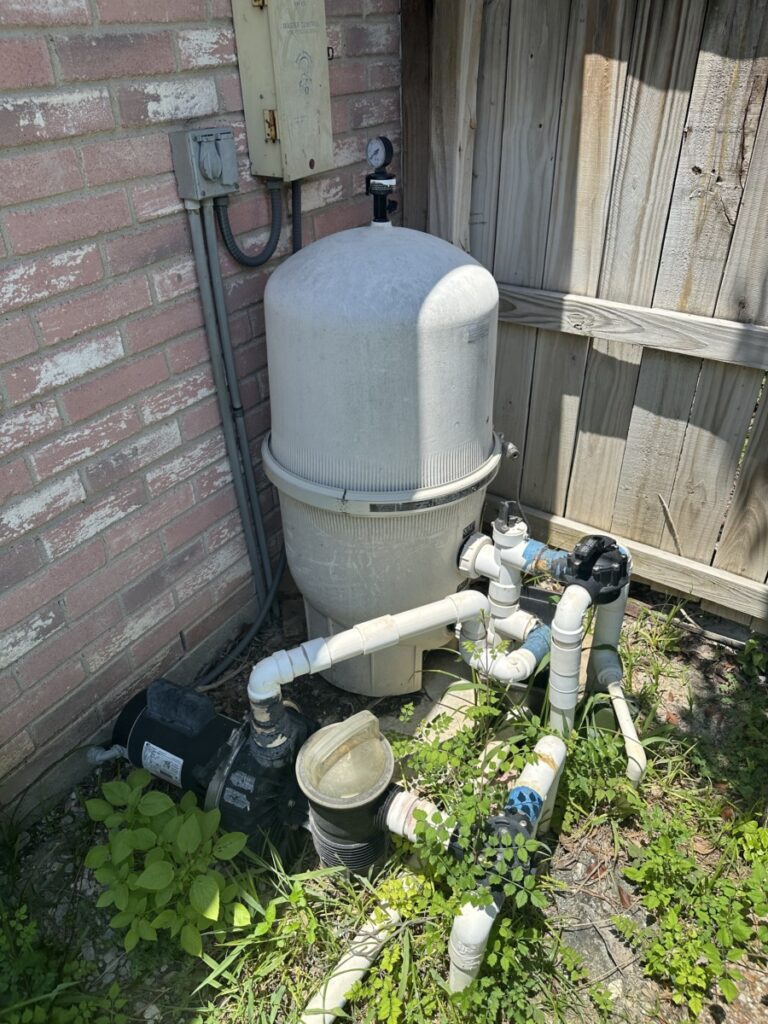
Understanding Pool Pump Runtime During Cooler Weather
Your pool pump circulates water through the filtration system, helping distribute chemicals, remove debris, and maintain consistent water quality. During the summer, pools often require longer filtration periods because of warmer water, increased swimming activity, and higher demands on the sanitation system.
When temperatures drop, those demands typically decrease. However, that does not mean your pump should remain off for extended periods.
Finding the right balance between circulation, filtration, and energy efficiency is essential for proper fall pool maintenance.
1. How Many Hours Should You Run Your Pool Pump in the Fall?
Many residential pools can operate with shorter daily pump schedules during cooler weather, but there is no universal number of hours that works for every pool.
Some pools may maintain adequate circulation with approximately four to six hours of daily operation in mild fall conditions, while others require longer schedules. Variable-speed pumps often run for extended periods at lower speeds to support filtration and equipment requirements more efficiently.
Several factors influence the appropriate schedule:
- Pool size and total water volume
- Single-speed versus variable-speed pump operation
- Filter type and condition
- Amount of leaves, pollen, and other debris
- Water chemistry and sanitizer requirements
- Attached spas, water features, and automated equipment
The best approach is to start with your existing schedule and make gradual adjustments while monitoring water quality.
If your pool becomes cloudy, develops algae, or collects excessive debris, your circulation and maintenance routine may need attention.
2. Why Does Cooler Weather Reduce Pool Filtration Needs?
Cooler water generally slows algae growth and reduces some of the factors that increase chlorine consumption during hot weather.
During North Texas summers, high temperatures and intense sunlight can create challenging conditions for pool maintenance. As fall arrives, cooler temperatures often make water chemistry easier to manage.
However, lower temperatures do not eliminate the need for proper circulation.
Your pool pump still needs to support several important functions:
- Moving water through the filter to capture dirt and debris
- Distributing sanitizer throughout the pool
- Supporting skimmer operation
- Preventing stagnant areas where debris can accumulate
- Providing sufficient flow for equipment that requires circulation
A shorter schedule can work well when the pool continues receiving adequate filtration and regular maintenance.
Remember that clear water does not automatically mean properly sanitized water. Routine water testing remains important throughout the year.
3. Should You Change Your Variable-Speed Pool Pump Settings in the Fall?
Variable-speed pool pumps offer greater flexibility when adjusting circulation schedules for seasonal changes.
Unlike traditional single-speed pumps, variable-speed models allow homeowners to select different operating speeds based on filtration needs and equipment requirements.
The U.S. Department of Energy explains that reducing pump speed can significantly decrease energy consumption because pump power requirements rise rapidly as motor speed increases.
For many homeowners, this means operating a variable-speed pump at an appropriate lower speed can be more efficient than running it at full speed for a shorter period.
Consider these adjustments:
- Review your current summer pump schedule.
- Identify the minimum speed required for proper filtration and skimming.
- Confirm that heaters, saltwater chlorine generators, and other equipment receive sufficient water flow.
- Gradually adjust runtime based on seasonal conditions.
- Monitor water clarity, chemistry, and equipment performance.
Avoid lowering pump speeds below manufacturer-recommended operating requirements.
A professional pool service technician can help determine whether your existing settings are appropriate for your pool and equipment.
4. How Do Falling Leaves Affect Your Pool Pump Schedule?
Falling leaves can increase the amount of debris entering your pool, even when cooler temperatures reduce other maintenance demands.
During autumn, leaves and organic material can accumulate in skimmer baskets, strainers, and filters. If these components become clogged, water circulation may decrease and equipment performance can suffer.
This creates an important distinction between seasonal filtration needs and debris removal.
Your pool may require less filtration because of cooler water temperatures while still needing sufficient skimming time to remove leaves.
To help maintain proper circulation:
- Empty skimmer baskets frequently during heavy leaf fall.
- Remove floating debris before it sinks.
- Check the pump strainer basket for buildup.
- Monitor filter pressure according to your equipment’s recommendations.
- Adjust skimming periods when debris accumulation increases.
Regular cleaning can help prevent restricted flow and unnecessary strain on your pool equipment.
5. What Should North Texas Pool Owners Know About Freezing Temperatures?
Fall pump adjustments should always account for the possibility of freezing weather.
North Texas can experience significant temperature changes during late fall and winter. Although mild days may allow reduced filtration schedules, freezing conditions require a different approach.
Many modern pool systems include freeze-protection controls that activate circulation equipment when temperatures approach a preset threshold.
However, freeze protection is not a guarantee against damage, especially during prolonged freezes, power outages, or equipment failures.
Before freezing weather arrives:
- Verify that your freeze-protection settings are enabled and functioning.
- Make sure equipment requiring freeze protection is included in the system.
- Check exposed plumbing and equipment for vulnerabilities.
- Follow manufacturer recommendations and professional guidance during severe weather.
Do not disable freeze-protection features simply to reduce daily pump runtime.
If your equipment loses power during a freeze, contact a qualified pool professional for guidance on protecting the system.
Frequently Asked Questions About Fall Pool Pump Schedules
Can I Run My Pool Pump Less During the Winter?
Yes, many pools require less daily filtration during cooler months. However, runtime should still support proper water circulation, sanitation, and equipment operation, with additional precautions during freezing conditions.
Is It Better to Run a Pool Pump During the Day or at Night?
Either can work during mild weather. The best schedule depends on skimming needs, electricity rates, equipment operation, and seasonal conditions. Freeze-protection requirements take priority when temperatures approach freezing.
Does Running a Pool Pump Longer Prevent Algae?
Adequate circulation helps distribute sanitizer and filter debris, but longer runtime alone does not prevent algae. Proper chlorine levels, balanced water chemistry, brushing, and routine cleaning are also necessary.
Can Reducing Pool Pump Runtime Lower Electricity Costs?
Yes. Reducing unnecessary runtime can lower electricity consumption, especially with single-speed pumps. Variable-speed pumps may achieve additional savings through properly configured lower-speed operation.
Keep Your Pool Running Efficiently With Good Neighbor Pool Care
Adjusting your pool pump schedule for cooler North Texas weather can help reduce unnecessary energy use while maintaining proper circulation and water quality.
However, every pool has different filtration requirements, equipment configurations, and seasonal maintenance needs.
At Good Neighbor Pool Care, we help homeowners take the guesswork out of pool maintenance with dependable service, equipment care, and practical guidance.
Ready to prepare your pool for cooler weather? Contact Good Neighbor Pool Care today and let our team help keep your pool clean, balanced, and operating efficiently throughout the season!