
How Can Regular Maintenance Extend the Life of Pool Equipment?
Regular maintenance extends the life of pool equipment by reducing strain on pumps, filters, heaters, plumbing, and automation systems. Keeping water chemistry balanced, maintaining proper water flow, cleaning baskets and filters, fixing leaks early, and scheduling professional inspections can prevent premature wear, overheating, corrosion, and expensive equipment failures.
At Good Neighbor Pool Care, we understand that your pool equipment is a major investment. As a family-owned pool service company serving North Texas communities, our goal is to help homeowners protect that investment through dependable maintenance, accurate diagnostics, and proactive repairs. Our trained pool professionals inspect equipment for circulation problems, filter pressure changes, leaks, and other warning signs that can indicate developing problems. Instead of waiting until a pump stops working or another component fails, proactive pool equipment maintenance helps identify smaller issues while they are often easier and less expensive to correct.
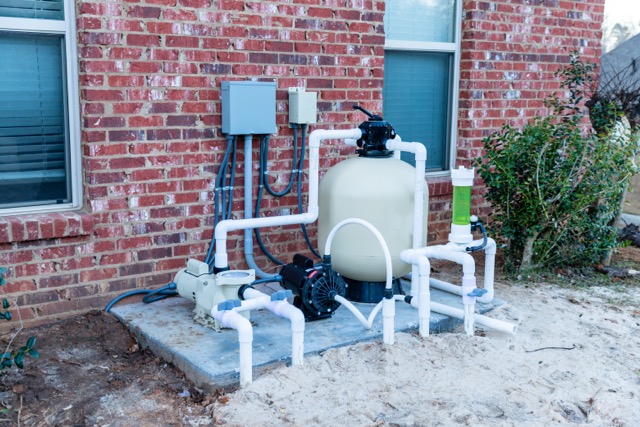
Pool Equipment Maintenance Tips for Longer Equipment Life
Pool equipment lasts longer when the entire circulation system can operate without unnecessary resistance, overheating, air leaks, or chemical damage. Pumps, filters, plumbing, heaters, salt systems, and automation equipment work together, so a problem with one component can put additional strain on others.
Here are some of the most important ways homeowners can protect their pool equipment.
How Does Proper Water Flow Protect a Pool Pump?
Maintaining unrestricted water flow is one of the most important things you can do for your pool pump.
A clogged skimmer basket, full pump basket, low water level, dirty filter, or plumbing obstruction can restrict circulation. Pentair recommends regularly checking the pump basket for debris and keeping debris away from motor vents as part of routine pump maintenance.
Never allow a pool pump to operate without adequate water. Pentair’s pump operating guidance specifically warns that running a pump dry can damage the mechanical seal and lead to leaks. Maintaining the proper pool water level also helps prevent the pump from drawing air through the skimmer and losing its prime.
Homeowners can help maintain healthy circulation by:
- Emptying skimmer and pump baskets regularly
- Keeping the pool at the proper water level
- Watching for bubbles coming from return jets
- Cleaning the filter when necessary
- Checking for noticeable changes in water flow
- Addressing a pump that repeatedly loses prime
Good water flow allows the pump to perform its job without unnecessary stress.
Why Should Pool Filters Be Cleaned Regularly?
A clean filter helps water move efficiently through the circulation system, while a heavily loaded filter increases resistance.
Start by learning your filter’s normal pressure reading when it is clean. If pressure climbs significantly above that baseline, the filter may need cleaning or backwashing according to the manufacturer’s instructions.
Good Neighbor Pool Care recommends watching for filter pressure changes as part of routine equipment care. Our technicians also inspect filter pressure during weekly service visits, helping identify circulation issues before they become larger problems.
Depending on your system, proper filter care can include:
- Cleaning cartridge filter elements as needed.
- Backwashing sand or DE filters according to manufacturer instructions.
- Inspecting O-rings, gauges, valves, and other components.
- Replacing worn or damaged filter parts promptly.
- Monitoring the clean baseline pressure for noticeable changes.
Never open or service a pressurized filter. Pentair advises shutting off the pump and relieving system pressure before servicing a filter.
Can Small Pool Equipment Leaks Cause Bigger Problems?
Yes. Small water and air leaks should be addressed promptly because they can affect circulation and damage surrounding equipment.
A water leak near the pump’s mechanical seal can eventually contribute to motor problems. Pentair’s preventative maintenance guidance recommends inspecting around pumps for leaks and notes that a mechanical seal leak can contribute to bearing failure.
Air leaks can be equally important. They may develop around worn O-rings, pump lids, valves, fittings, or plumbing. Pentair recommends watching for both air and water leaks when maintaining variable-speed pumps.
Contact a pool professional if you notice:
- Water beneath or around the equipment pad
- Persistent air bubbles in the return lines
- A pump that repeatedly loses prime
- Unusual pressure changes
- Dripping around plumbing or valves
- Screeching, grinding, or other new pump noises
Catching these warning signs early may prevent a relatively minor repair from becoming a larger equipment failure.
How Does Water Chemistry Affect Pool Equipment Life?
Balanced water chemistry protects more than swimmers and water clarity. It also helps protect pool surfaces and equipment.
Improperly maintained water can contribute to scale, mineral buildup, and corrosion. Those conditions can affect heaters, salt cells, plumbing, filters, and other components over time. Good Neighbor Pool Care’s weekly maintenance includes water testing and chemical balancing to help keep pools safe while protecting the overall system.
Consistent chemistry is especially important during periods of heavy pool use and warm weather. Rather than correcting large chemistry swings after they occur, regular testing and adjustment helps maintain more stable conditions for the entire pool.
When Should Pool Equipment Be Professionally Inspected?
Pool equipment should be checked regularly, with a more thorough professional inspection at least annually or whenever performance changes.
Good Neighbor Pool Care recommends a thorough professional equipment inspection at least once a year, ideally before the heavy swimming season. Filters and other high-use components may require attention much more frequently depending on pool conditions and surrounding landscaping.
Do not wait for complete equipment failure. Schedule an inspection when you notice unusual noises, leaks, error codes, declining circulation, unexpectedly high filter pressure, or inconsistent heating.
Preventative maintenance can also protect efficiency. The U.S. Department of Energy maintains energy conservation standards for dedicated-purpose pool pumps, and newer pump and motor technology increasingly emphasizes efficient operation.
Professional maintenance helps ensure equipment is not simply running, but operating correctly and efficiently.
FAQ About Extending Pool Equipment Life
How often should I clean my pool pump basket?
Inspect the pump basket regularly and clean it whenever debris begins accumulating. During storms, heavy leaf fall, or periods with significant debris, it may need attention more frequently.
What is one of the worst things for a pool pump?
Running without adequate water is particularly damaging. A pump that runs dry can damage its mechanical seal and may eventually cause additional pump damage, so low water levels and loss-of-prime problems should be corrected quickly.
Should I repair pool equipment as soon as it starts making noise?
Unusual grinding, screeching, rattling, or high-pitched noises should be investigated promptly. Pentair notes that abnormal noises can indicate issues involving components such as bearings or the impeller, and early attention may prevent further damage.
Is professional pool equipment maintenance worth it?
Preventative maintenance can identify leaks, restricted circulation, worn components, and other problems before they lead to larger repairs or equipment failure. It also helps pumps, filters, heaters, and related systems operate more efficiently and reliably.
Protect Your Pool Equipment With Good Neighbor Pool Care
The best way to extend the life of pool equipment is to prevent unnecessary stress before it causes damage. Consistent cleaning, balanced water chemistry, unrestricted circulation, prompt leak repairs, and professional inspections can help protect your pump, filter, heater, plumbing, and automation system for years to come.
Good Neighbor Pool Care provides professional pool equipment maintenance, diagnostics, repairs, and ongoing pool care with the reliable, neighborly service homeowners can count on.
Ready to Protect Your Pool Equipment? Contact Good Neighbor Pool Care Today!